Things to Consider Before Buying a Smartphone: 10 Key Tips


Buying a new mobile handset is rarely just about picking an attractive brand or looking at headline numbers. Understanding the vital things to consider before buying a smartphone ensures you do not waste money on hardware that looks great on a spec sheet but fails during real-world tasks.
Some users prioritize fluid gaming frame rates and high-drain thermal management, while others need long-lasting battery life, dependable point-and-shoot camera clarity, or extended OS update cycles. Before finalizing your transaction, review these 10 practical factors to make an informed, long-term investment.
10 Critical Things to Consider Before Buying a Smartphone
1. Establish a realistic budget range
The first thing to do is to set a defined ceiling on spending. Smartphone tiers are all over the place, and knowing your budget will save you from overpaying for flagship gimmicks you’ll never use. Once you have decided on your budget bracket, compare 3 to 4 competing handsets in that bracket only, rather than being distracted by higher priced models.
2. Assess Processor Efficiency and Thermal Performance
The SoC determines system responsiveness, background multitasking, photo rendering speeds, and sustained gaming stability. Don’t be led by the marketing brand name. Check out the chipset manufacturing node architecture ( 3nm , 4nm , etc . ) , sustained benchmark throttling , and how well the phone dissipates heat under stress .
3. Verify RAM Capacity and Storage Technology
8GB of RAM is more than enough for normal day to day tasks and light multitasking. If you’re planning to use resource heavy apps, edit video on the go, or want to hold on to the device for multiple years, opt for the higher memory configurations. Also, pay attention to the internal storage technology—UFS 3.1 or UFS 4.0 flash storage is significantly faster for installing apps and reading/writing files than older UFS 2.2 solutions. If you’re shooting a lot of high-res media, then 256GB should be your baseline.
4. Check the screen quality, brightness, and refresh rates
You’re staring at the screen all day, so panel quality is everything. Choose AMOLED or OLED displays that have infinite contrast and deep true blacks over washed-out entry-level LCDs. For outdoor legibility in sunlight, look for high peak brightness ratings (measured in nits), and aim for 90Hz or 120Hz refresh rate for fluid scrolling.
5. Don’t Judge Camera Quality by Megapixels
AloneMany camera marketers focus on high MP counts (50MP, 108MP, or 200MP), but sensor size and software tuning matter much more. The bigger physical sensor lets in a lot more light, reducing digital noise and sharpening up nighttime shots. Ensure the primary camera has Optical Image Stabilization (OIS) to help reduce blurring from movement. See real world unedited photo samples before you make up your mind.
6. Balance between battery capacity and charging speed
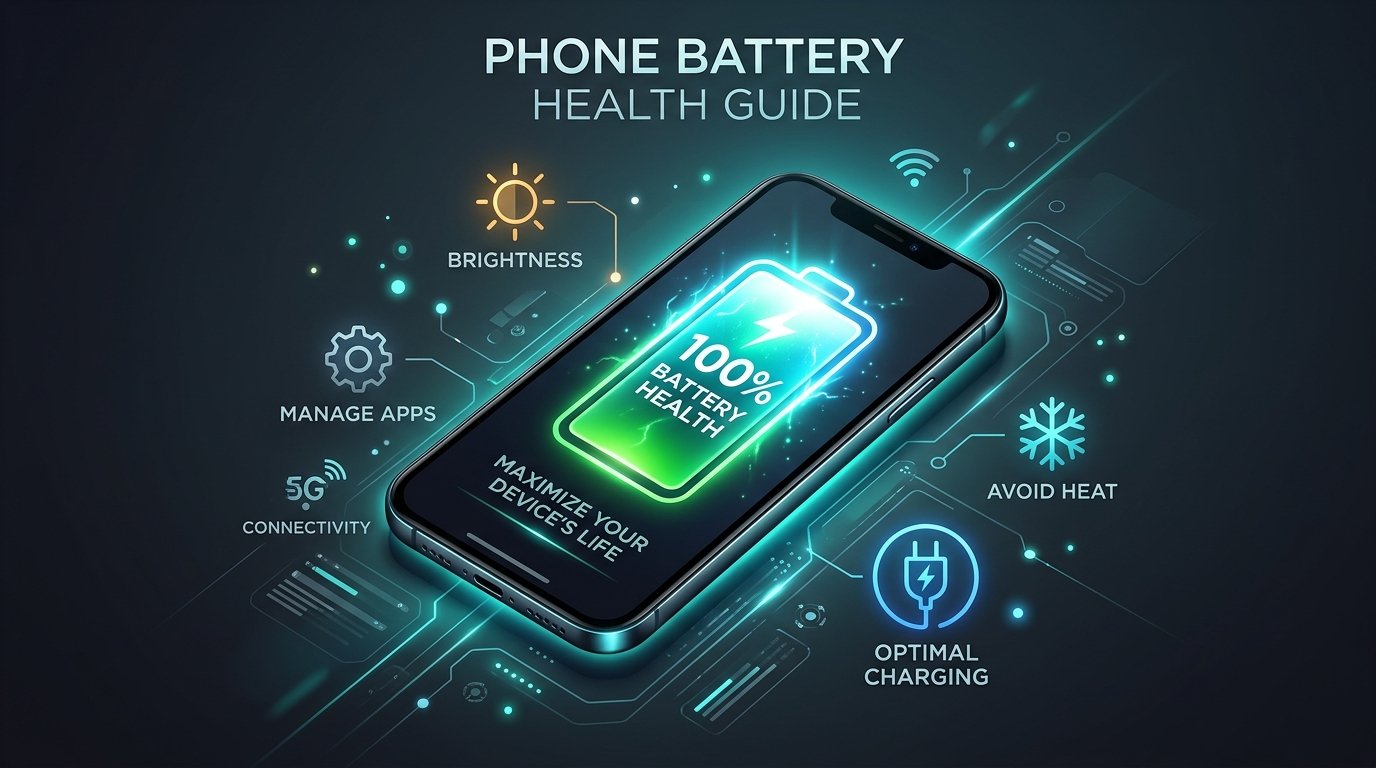
Battery life is a combination of battery capacity, display efficiency, processor power consumption and background app management. 5000mAh is what is in the now but look for real-world endurance tests of screen-on time (SoT). Be sure to check the wattage of supported charging and whether a fast-charging adapter is included in the box. For advice on how to extend the life of your device’s battery over the longer term, see our handy guide to keeping your phone battery in good health
7. Review the Long-Term Software Support Policy
A device’s security is only as good as its operating system. Check to see how many major OS version upgrades and years of ongoing security patches the manufacturer promises to provide before you buy. For long term ownership, brands that guaranty security patches for 4 to 7 years are far superior in value and security.
8. Check 5G Bands and Key Connectivity
Specs A “5G” badge on the box is meaningless if the phone doesn’t support the specific sub-6GHz bands that your cellular carrier uses. Also check local network band compatibility, Dual SIM or eSIM support, Bluetooth versions, modern Wi-Fi standards (Wi-Fi 6/6E/7) and NFC for contact-free mobile payments.
9. Know the Difference Between Official and Unofficial Phones
In markets like Bangladesh, it’s very important to check if a handset is official or grey-market/unofficial. Official units are backed by valid local manufacturer warranty and conform to telecommunications regulatory standards. But Grey-market imports face the risk of network restrictions, or IMEI blacklisting under systems like the BTRC NEIR portal. You can also check the registration of handset from the BTRC Official Portal directly.
10. Look at Independent Technical Reviews and User Forums
Marketing trailers only show best case scenarios. Take a little time to scan through thorough, unbiased reviews from independent tech sites that do consistent battery life tests, low light camera tests and thermal stress tests. Community forums also offer insights into common hardware quirks, display tinting, or software bugs that are never published in spec sheets.
Important Things to Consider Before Buying a Smartphone: Summary Checklist
| Hardware Feature | Minimum Target | Optimal Target |
| Display | FHD+ AMOLED, 90Hz | 120Hz LTPO OLED, 1500+ nits |
| Processor | Modern 6nm Octa-Core | 4nm / 3nm Flagship Architecture |
| RAM & Storage | 8GB RAM / 128GB UFS 2.2 | 12GB+ RAM / 256GB+ UFS 4.0 |
| Primary Camera | 50MP with OIS | Large Sensor (1/1.3″+), OIS, Telephoto |
| Battery & Charging | 5,000mAh, 25W–33W Charging | 5,000mAh+, 67W+ Charging |
| Software Support | 2 Major OS Updates | 4 to 7 Years OS & Security Patches |
By considering all of these things before you purchase a smartphone, you can avoid buyer’s remorse, and ensure your new handset fits in with your daily workload, photography preferences and long-term budget.